So Many Breaths, So Little Time
If you’ve dipped even a toe into the world of wellness lately, you may have noticed something curious.
Everyone is breathing.
There’s holotropic breathwork, somatic breathwork, SOMA breath, Wim Hof breathing, breathwork with ice baths, breathwork with music, breathwork with gongs, breathwork in saunas, breathwork in cold lakes… at this point you may be wondering if breathing has quietly become an Olympic sport.
The big question people ask is:
How do I know which one is right for me?
Breathwork has exploded in popularity over the last few years, and many companies have built entire systems around specific breathing techniques. Most of these approaches use breathing as a way to create powerful shifts in the body and mind — sometimes intense ones.
Let’s take a quick tour of a few of the big names.
Wim Hof Breathing
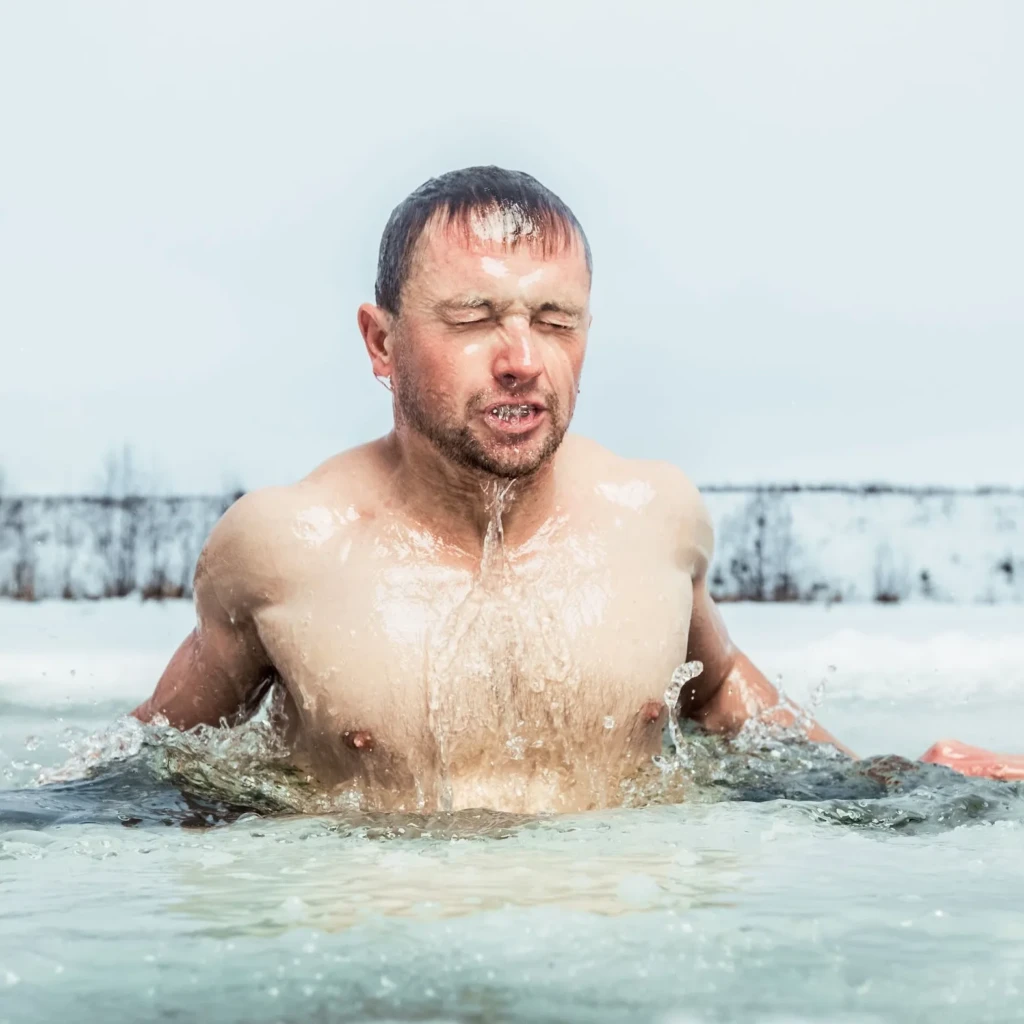
The Wim Hof Method combines breathing practices, cold exposure, and mindset training. The breathing itself involves rounds of deep breathing followed by breath holds.
Typically you take 30–40 deep breaths, exhale, and hold the breath as long as comfortable. Then you inhale deeply and hold again before starting the next round. Many people report sensations like tingling, warmth, lightness, or heightened alertness.
Often this practice is paired with cold showers or ice baths, which explains why you’ll sometimes see people enthusiastically sitting in tubs of ice looking strangely calm about it.
The method is known for increasing energy, stress resilience, and influencing the nervous system.
Holotropic Breathwork
Developed by psychiatrist Stanislav Grof, holotropic breathwork is a therapeutic practice designed to access deeper psychological material.
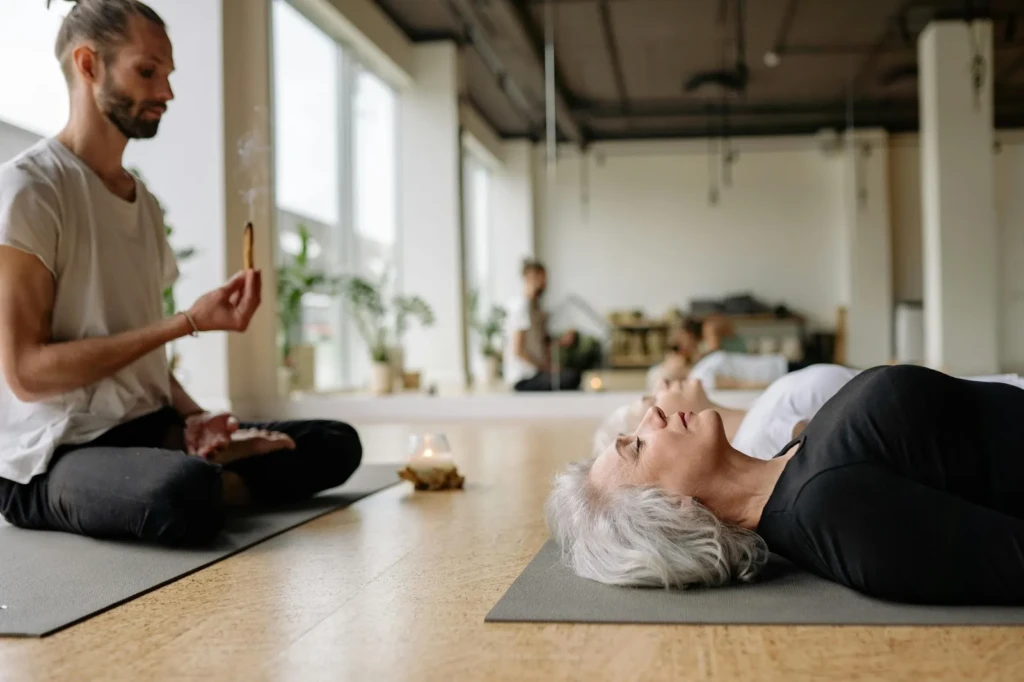
Participants breathe continuously and more rapidly than normal, usually lying down in a group setting with trained facilitators and carefully selected music. Sessions can last two to three hours.
The goal here is not relaxation but psychological exploration and emotional release. People sometimes experience vivid imagery, memories, or strong emotional processing.
Because the process can be intense, sessions are facilitated carefully and followed by integration practices like art-making, journaling, or group sharing.
SOMA Breath
Created by Niraj Naik, SOMA Breath blends ancient yogic breathing with music, rhythm, and guided meditation.
Sessions often involve rhythmic breathing patterns synchronized with music, breath holds, visualization, and intention-setting. The breathing patterns can temporarily shift oxygen and carbon dioxide levels in the body, which may create sensations like tingling or heightened focus.
This style of breathing tends to be energizing and activating, designed to enhance mood, concentration, and mental clarity.
So… Where Does People of the Prana Fit In?
With all of these powerful breathing techniques out there, you might assume that People of the Prana involves something equally dramatic.
Ice baths?
Thirty-minute breathing marathons?
Transcendent cosmic visions?
Not exactly.
At People of the Prana, we take a slightly rebellious stance in the breathwork world.
Instead of breathing faster and harder, we teach people how to breathe slower and easier.
While many modern breathwork systems use rapid breathing, breath holds, or intense sessions to create peak experiences, our approach focuses on something far more practical:
Teaching your nervous system how to settle down (aka chill right out).
Our philosophy is beautifully simple & backed by science:
The slower you breathe, the calmer you feel.
Rather than pushing the nervous system into highly activated states, our practices gently guide the body back into regulation by lengthening the breath, softening the body, and restoring a calm breathing rhythm. Slow & steady wins the race.
Breathwork You Can Actually Use in Real Life
Many breathwork experiences are powerful but are typically done occasionally in workshops or guided sessions.
People of the Prana focuses on breathing skills you can use every single day.
That means:
- Training your body to slow your breath down so that that becomes your new normal
- Regulation rather than stimulation
- Short practices you can actually fit into your life
Some of our practices are as short as three minutes.
Three minutes before a meeting.
Three minutes before picking up the kids.
Three minutes before opening the next email.
Because let’s be honest — it would be lovely to escape to Costa Rica for a wellness retreat every time life gets stressful…
But most of us have emails, laundry, and Monday mornings. And while we can’t escape to Costa Rica, we can always take a big deep breath.